
Discrimination & harassment
Discrimination
I was treated worse because of who I am.
88,531
new EEOC discrimination charges filed in FY 2024
$469.6M
recovered through EEOC enforcement in FY 2024
No fee unless we recover money for you
If your employer broke the law, you may be entitled to lost wages, emotional distress damages, and attorneys' fees. We help you find out, for free.

Start Here
Step 1 of 3Pick what happened. We'll take it from there.
Free & confidential · No fee unless we recover money
Case value guide
No two claims carry the same value. Find your situation below to see the facts that move the number, and the agency data behind the kinds of recoveries that get reported.
Showing 11 of 11 claims
I was treated worse because of who I am.
88,531
new EEOC discrimination charges filed in FY 2024
$469.6M
recovered through EEOC enforcement in FY 2024

I was harassed or targeted at work.
35,774
EEOC charges alleging harassment in FY 2024
$211.8M
recovered in harassment claims in FY 2024

My workplace became impossible to endure.
$211.8M
recovered in harassment-related claims in FY 2024

I was sexually assaulted or coerced.
$206M
in sex-based monetary recoveries reported for FY 2024

I was fired for the wrong reason.
42,301
retaliation charges filed with the EEOC in FY 2024
$308M
recovered in retaliation claims in FY 2024

I was punished after I spoke up.
No. 1
retaliation was the most common EEOC charge in FY 2024
$308M
recovered in retaliation claims in FY 2024

I was denied medical or family leave.
$1.03M
in FMLA back wages recovered by the DOL in FY 2025
301
FMLA violations found by the DOL in FY 2025

Someone lied about me and it cost me work.
$25K–$100K
median jury award range in non-media defamation cases
30%
of winning libel & slander cases also recover punitive damages

I wasn't paid everything I earned.
$259M+
in back wages recovered by the DOL in FY 2025
176,957
workers received back-wage recoveries in FY 2025

My employer broke a written promise.
46%
of civil filings in state courts are contract disputes
31,372
contract cases filed in U.S. federal courts in 2024

I was seriously injured.
39,254
people killed in U.S. traffic crashes in 2024
2.42M
people injured in traffic crashes in 2024
For context only
Figures are drawn from external public sources: EEOC, U.S. DOL, NHTSA, federal and state court data, and legal-industry research. They describe national activity, not a prediction or promise of any outcome in your case.

Employment Litigation
Employment Litigation Attorney
A Bulldog Law employment litigator with a national wage-and-hour practice. He founded Sanford Law Firm in 2001 and has tried cases before judges and juries across the country, including matters involving the FLSA, Title VII, and the Equal Pay Act.
2001
Founded his first law firm
FLSA
Federal wage-and-hour trial work
3 states
Bar admissions in AR, TX & CO
5th & 8th
Federal appellate admissions

Wage-and-Hour Litigation
Wage-and-Hour Litigation Attorney
An employee-side litigator focused on wage-and-hour disputes who has helped recover more than $100 million in wages for workers nationwide.
$100M+
Wages recovered for employees
10,000
Workers in a major overtime matter
2x
Arguments before the Supreme Court of Ohio
Since 2011
Recognized by Best Lawyers
Federal law creates important protections, but employer coverage, filing periods, and state or local rules can change the analysis. Open each figure for context from official EEOC sources.
15+
Title VII, the Americans with Disabilities Act, and the Genetic Information Nondiscrimination Act generally apply to private employers with 15 or more employees. Coverage rules differ for government employers, employment agencies, labor organizations, and particular claims. State or local law may also cover smaller workplaces.
Source: EEOC coverage guidanceFederal baseline: Federal law protects covered workers nationwide.
Deadlines vary: Federal, state, and local filing periods differ.
State law matters: Some jurisdictions provide broader protections.
01
Never companies. No conflicts of interest, no divided loyalty, and no soft spot for the employer's side of the story.
01
Never companies. No conflicts of interest, no divided loyalty, and no soft spot for the employer's side of the story.
Share the timeline and core facts so the team can assess whether the firm may be able to help.
We explain the issues we see, what information may be missing, and what a realistic process could involve.
If we both agree to move forward, we sign a written engagement agreement. If not, the initial review remains free.
Investigation, demand letters, agency filings, negotiation, and litigation when appropriate. You focus on getting your life back.
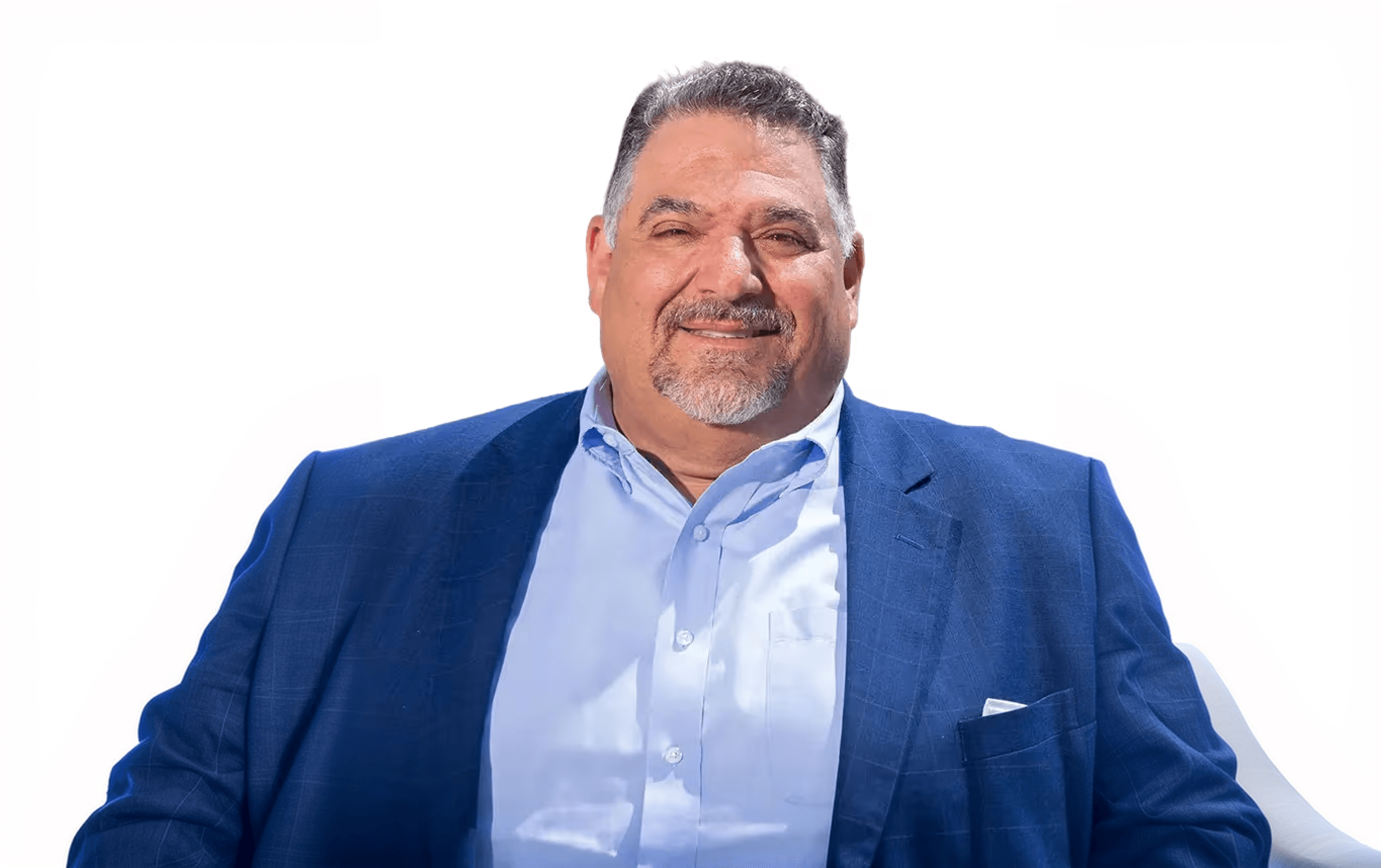
Wage-and-Hour Litigation
An employee-side litigator focused on wage-and-hour disputes who has helped recover more than $100 million in wages for workers nationwide.
View profile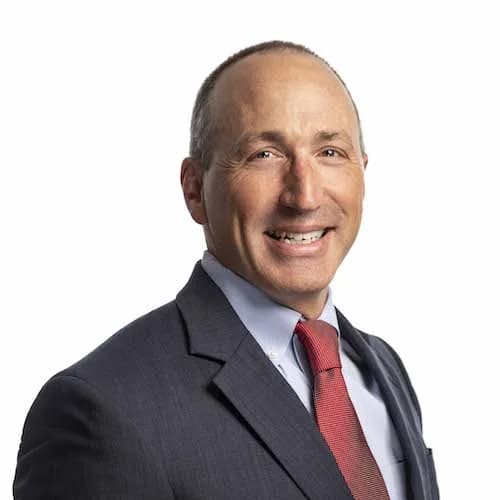
Employment Litigation
An employment litigator who founded Sanford Law Firm in 2001 and grew it into a national wage-and-hour practice, trying cases across the country.
View profileBulldog Law accepts inquiries from employees nationwide. Whether the firm can represent someone depends on the facts, applicable law, forum, attorney admissions, conflicts, and capacity.
Our current library begins with sourced Ohio guides. State laws and filing deadlines vary, so use each guide only for the jurisdiction it identifies.
Wrongful Termination
Most Ohio firings are legal, but some cross the line. Learn which reasons are illegal and how fast to act.
Unpaid Wages
What Ohio law says about late paychecks, final pay, minimum wage, and how to recover money you earned.
Severance Pay
What a severance release can and cannot take away, and how severance affects Ohio unemployment.
Discrimination Claims
Deadlines, filing steps, and your options if you face discrimination or harassment at work in Ohio.
Building Your Case
What to save, what you can record, and what not to touch when something goes wrong at work in Ohio.
Employment law FAQ
General information, not legal advice. The right answer depends on the facts, claim, employer, and deadline.
Yes. Bulldog Law accepts inquiries from employees in all 50 states and the District of Columbia. An inquiry does not guarantee representation. Availability depends on the facts, applicable law, forum, attorney admissions, conflicts, and the firm's capacity.
You can contact Bulldog Law about workplace issues such as termination, retaliation, harassment, discrimination, unpaid wages, overtime, accommodations, whistleblowing, leave, and severance agreements. The team will review the facts and determine whether the firm may be able to help.
No. Federal law creates important nationwide protections, but state and local laws may cover different employers, protect additional characteristics, use different standards, or provide different remedies. The law tied to where you worked can materially affect the analysis.
As soon as practical. Employment claims can have short and overlapping filing periods. For many private-sector and state or local government discrimination claims, an EEOC charge generally must be filed within 180 days, with a possible extension to 300 days in certain jurisdictions. Other claims and federal-sector complaints follow different deadlines.
Keep a clear timeline and preserve lawful copies of relevant pay records, schedules, evaluations, policies, emails, text messages, write-ups, complaints, and separation documents. Do not take confidential material you are not permitted to possess or alter workplace records.
It depends on the problem, workplace policy, urgency, and your goals. An internal report can be important in some matters, but wording and timing may affect what happens next. If possible, get advice before making a major move or signing a document.
No. Submitting an inquiry does not create an attorney-client relationship, stop a filing deadline, or guarantee that Bulldog Law can represent you. Representation begins only after conflicts and eligibility are reviewed and both you and the firm sign a written engagement agreement.
Tell us what happened and where you worked. Bulldog Law accepts inquiries nationwide and will follow up if the firm may be able to help.

